A dinner becomes an experience through decisions made before anyone arrives: how many people sit down, how the room is lit, how high the table decor stands, what the season puts on the plate and how the evening is paced. None of those needs a large budget. Each one needs a little intention.
Key Takeaways
- Six to ten guests is the range where one conversation can hold the whole table; past twelve, a family-style or buffet format is easier on the host.
- Health Canada names 11 priority food allergens, including sesame, mustard and sulphites, so ask about them on the invitation.
- The Emily Post Institute's basic setting puts bread and butter on the left, drinks on the right and knife blades facing the plate.
- Foodland Ontario's availability guide lists Ontario apples year round and Brussels sprouts and cauliflower through November.
- The Cobourg Farmers' Market, founded in 1839, runs Saturdays from May 2 to October 31, 2026, then a winter market from November 7 to December 19.
Start with the guest list, not the tablecloth
The guest list is the first design decision, and the most important one. Six to ten is my range. Below six, the table can feel like an interview. Above ten, the conversation splits into two or three, and the host spends the evening refilling rather than sitting.
Think about the mix as well as the number. One or two people who do not know anyone else keep a table curious. Seat them next to the most generous talkers you have invited.
Then ask about food on the invitation itself. Health Canada lists 11 priority food allergens: eggs, milk, mustard, peanuts, crustaceans and molluscs, fish, sesame seeds, soy, sulphites, tree nuts, and wheat and triticale. A guest who has to explain an allergy at the table has already had a harder night than everyone else. Ask early. If you plan with us, the private client portal keeps the guest list and those notes in one place.
Set the light before you set the table
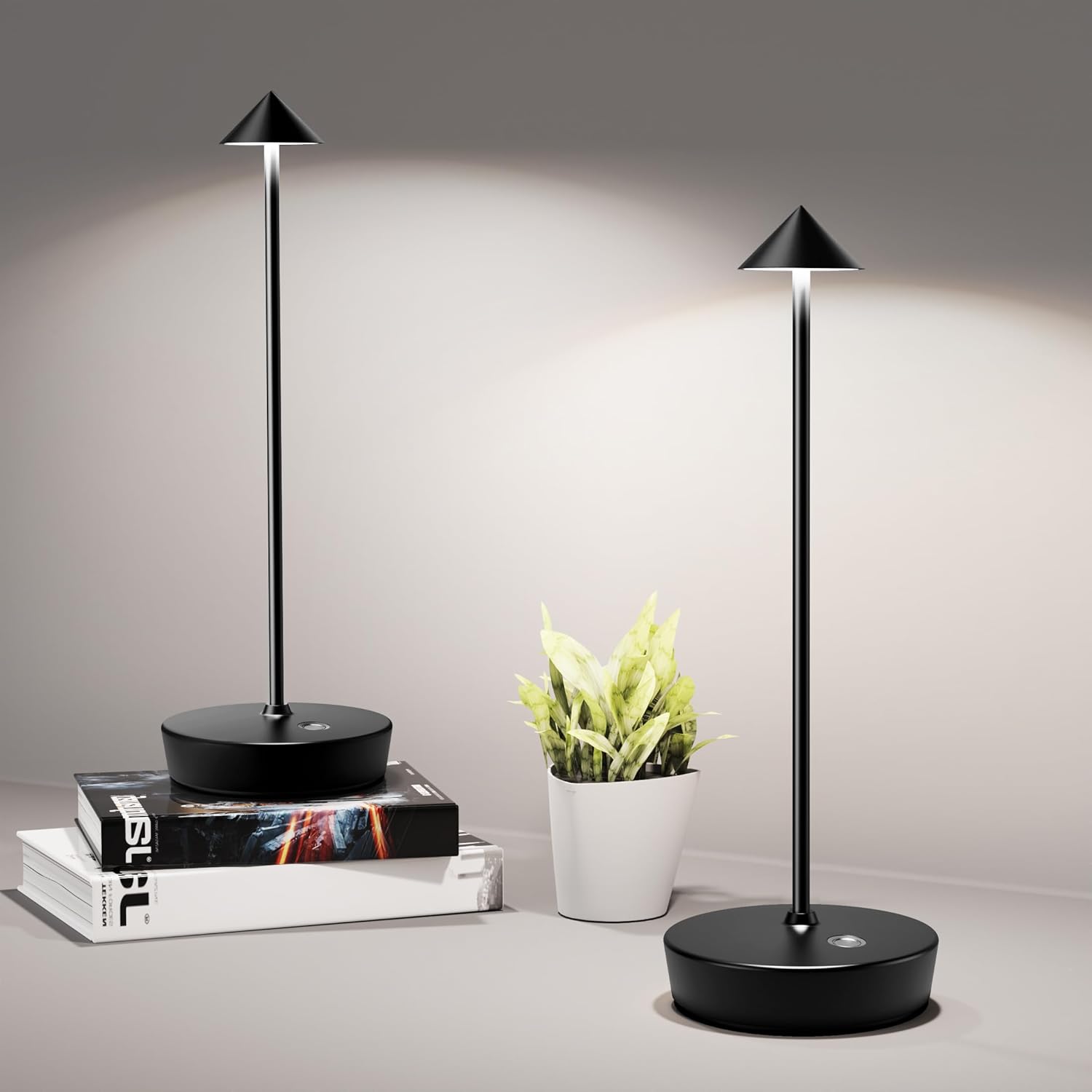
Light is the cheapest detail with the biggest effect. Turn the overhead fixture off, or dim it low, and build warmth at eye level instead: a lamp in each corner, candles down the table, one soft light in the room guests will move to for dessert.
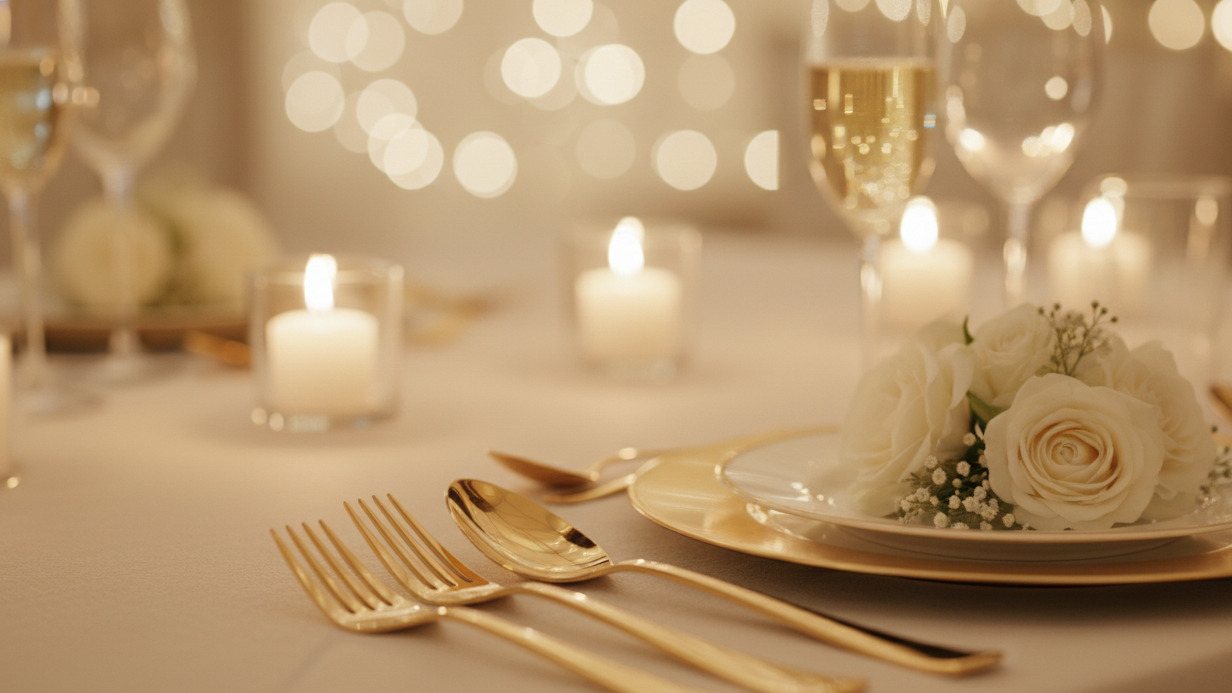
For the table, I like unscented candles in two or three heights, all shorter than a seated guest's eye line or well above it. Scent competes with food. A flame at eye height is worse: it is the one thing everyone stares into all night. Sit at the table at dusk once before the party and look at it from a chair. You will see what needs to move.
The table: height, spacing and a place for everyone
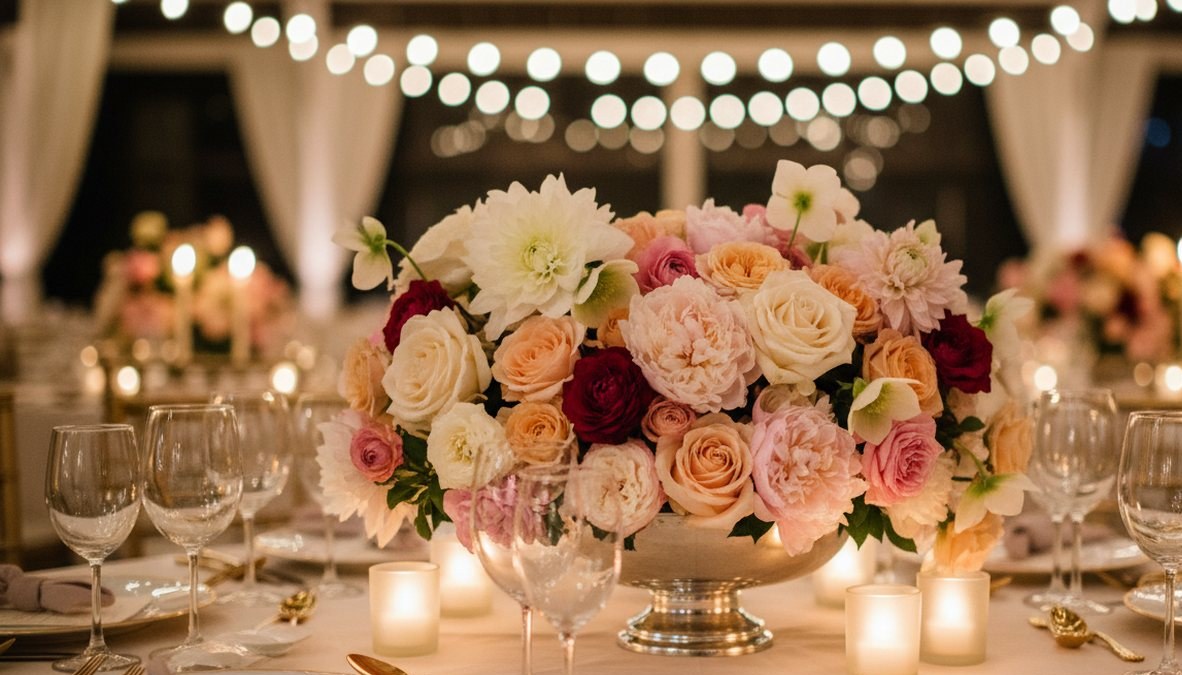
Seated guests look across the table, so the rule for everything in the middle is simple: low enough to see over, or tall and thin enough to see past. Nothing in between. A low garden runner, bud vases in a line, or a bowl of seasonal fruit all pass. Our guide to flower arrangements that transform a dinner table compares five centrepiece styles by table shape.
The setting itself does not need to be formal to be correct. The Emily Post Institute's basic table setting keeps it plain: fork on the left, knife on the right with the blade facing the plate, bread and butter to the left, drinks to the right, the water glass above the knife. Their memory trick is a lowercase "b" with your left hand and a "d" with your right.
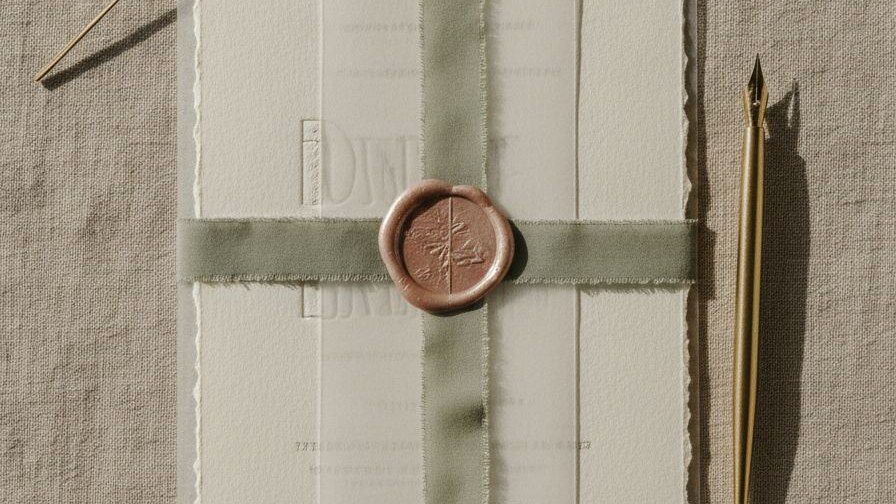
Then give every guest a place card, written by hand. It settles the "where do I sit" moment at the door and lets you seat people on purpose. Say you have ten guests at a long table: put the two strongest hosts in the middle of each side, not at the ends, so the energy sits where the most people can reach it. Ends go quiet.
Colour ties it together. Keep it tight. Pick a palette of two main colours and one accent, the way you would for a wedding. Our wedding colour palette guide is written for receptions, and it works for a table of eight.
Hosting something bigger than a dinner for eight? Tell us about it, and we can talk through the table, the timeline and the budget.
Cook from the season, and shop close to home
A menu written from the season tastes better. It looks better too, because the table and the plate end up speaking the same language. Foodland Ontario's availability guide is the reference I would keep open while writing the menu. It lists Ontario apples as available year round, Brussels sprouts and cauliflower from September through November, and storage crops such as beets, parsnips, carrots and winter squash well into the cold months.
In Northumberland County, Ontario, the Cobourg Farmers' Market has been running since 1839. In 2026 it opens on Saturdays from May 2 to October 31, 8 a.m. to 1 p.m., then moves to a smaller winter market outside the Old Market Building from November 7 to December 19, 9 a.m. to noon. A Saturday dinner shopped that morning is about as fresh as a menu gets.
Let the season decorate too. A fall table can be squash, pears and a few branches. In spring, one kind of flower in several small vessels says more than a mixed bunch.
Write the menu out. A small card at each place, or one on a stand by the door, tells guests what is coming and lets them pace themselves.
Pace the evening
A good dinner has a shape: a start, a middle and a softer end. Plan it like the table.
- On arrival, serve one drink and something small to eat, standing, for about thirty minutes. Late guests arrive into a party instead of into silence.
- At the table, space the courses so conversation has room. Serve family style if you want people passing plates and talking.
- For the last part, take dessert and coffee to another room, or at least another end of the table. A change of scene resets the evening, and guests who were seated apart finally meet.
Keep music low enough that no one has to raise their voice, and choose it before the doorbell rings. Then leave it alone. A playlist longer than the party means nobody leaves the table to change it.
The small details that make it personal
The difference between a nice dinner and one people talk about is usually a detail that could only belong to that evening. A place card with a line written to each guest. A cocktail named for the person being celebrated. Linen napkins tied with a sprig of rosemary that guests can take home. Serving the dish your grandmother made, and saying so.
These are my favourite part of any table, because they cost almost nothing and they cannot be copied. The same thinking carries into bigger gatherings: our guides to hosting a bridal shower and to holiday party decor must-haves build on it.
If you would like help with a dinner that matters, a milestone birthday, a rehearsal dinner, an anniversary, look at our planning packages or use the online package builder to choose only the pieces you need. Then book a consultation, and start with the guest list.