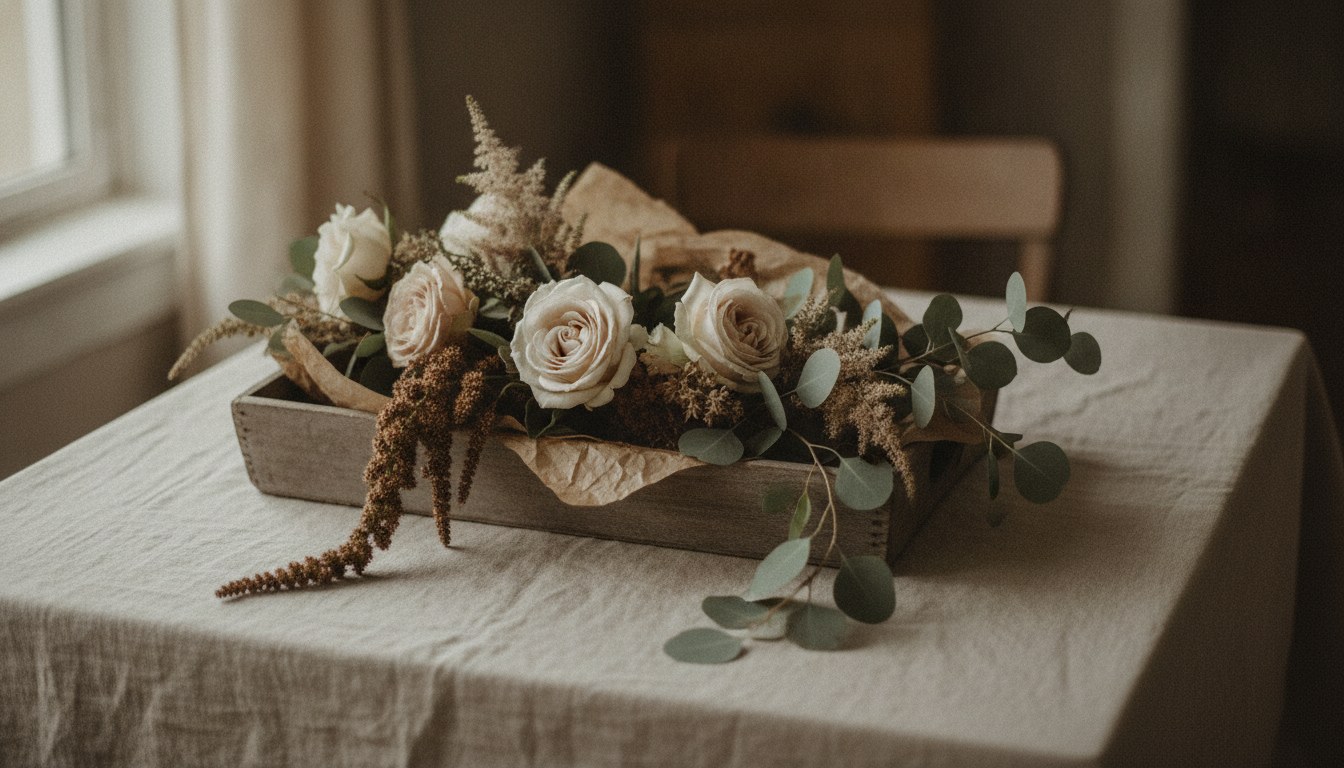
The Victorians built a whole language out of flowers. A bouquet could say what polite company would not allow you to say aloud, and the flowers carried down an aisle today still have those old meanings attached, whether or not anyone in the room can read them.
The practice is called floriography. A well-loved dictionary of it is Kate Greenaway's illustrated Language of Flowers, published in 1884 and free to read on Project Gutenberg. Rose: love. Sweet pea: departure. Ranunculus: "You are radiant with charms." Some of the meanings are lovely. A few are rude, and I will tell you which.
That mix of beauty and meaning is why flowers are my favourite part of wedding design. Below are eight flowers that photograph well, work across styles, and have real design substance. For each one: Greenaway's meaning, a typical Canadian price per stem, when it is in season, where it works, and when I would leave it out.
Key Takeaways
- Garden roses run about $4 to $9 CAD a stem; ask for them by variety (Juliet, O'Hara), not as "roses"
- Peonies bloom in southern Ontario from late May through June, peaking in the second and third weeks of June
- Ranunculus ($3 to $7 CAD a stem) has the widest colour range of any flower on this list
- Hydrangeas fill the most space per dollar, but they wilt fast in direct sun
- Lily of the valley means "Return of happiness" in Greenaway's 1884 dictionary and was in both Grace Kelly's and Catherine Middleton's wedding bouquets
- Amaranthus takes its name from the Greek amarantos, "unfading," and peaks in late summer and fall
1. The Garden Rose
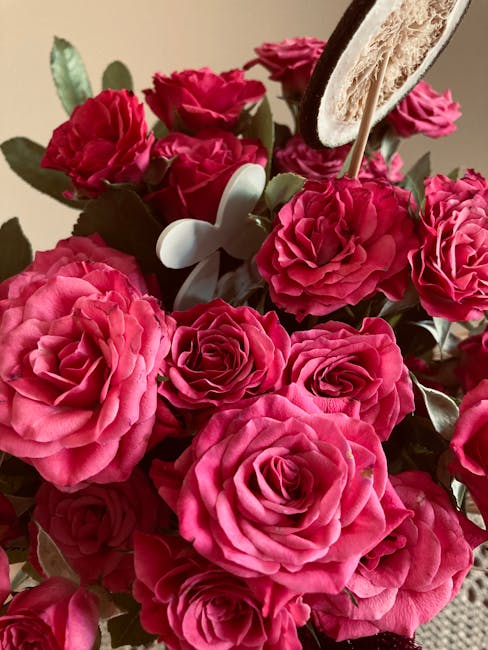
A garden rose is layered so densely it looks ruffled. Each bloom is about the size of a teacup, and it smells the way people expect a rose to smell: sweet and heady. The long-stemmed florist rose sold by the dozen is a different flower.
The meaning
Greenaway lists the rose as plain "Love." The variations get specific. A white rose says "I am worthy of you," and white and red roses together mean "Unity," which is a nice detail for a two-tone bouquet.
Where it shines
Bridal bouquets, boutonnières, ceremony arches and sweetheart table centrepieces. Garden roses can anchor any of those on their own and mix with almost everything else on this list.
Season
Imported garden roses are sold year-round in Canada. Local stems are at their best from June through September, with better quality and lower prices.
Practical notes
- Ask for the variety by name. "Garden rose" covers hundreds of cultivars; "Juliet" or "O'Hara" gets you a specific result.
- They pair well with ranunculus, sweet peas and eucalyptus. Mix textures freely.
- Garden roses open quickly in warmth, so they need to stay cool until the ceremony.
- Typical cost: $4 to $9 CAD per stem, against $1 to $3 for standard roses. The difference shows in the finished bouquet.
I would never call the rose basic. It is the flower everything else gets measured against. If a bouquet you saved on Pinterest looks expensive and you cannot say why, garden roses are often the reason.
2. The Peony
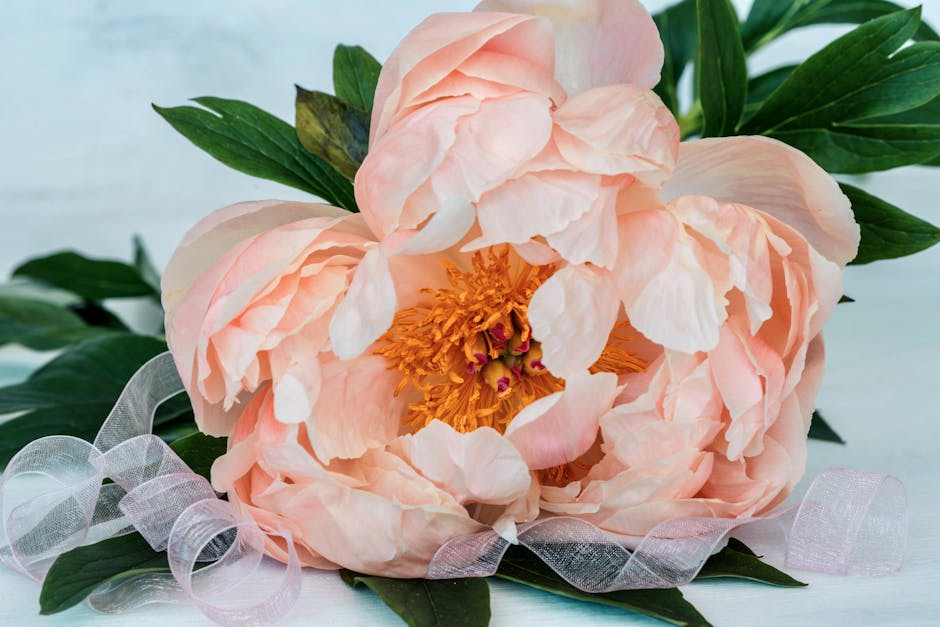
Fully open, a peony is a cloud of petals, bigger than your fist. Blush and ivory peonies with the palest dusty rose, massed on a June table, give you an English garden without any other props.
The meaning
Here is one of the rude ones. Greenaway gives the peony "Shame. Bashfulness." The modern habit of calling it the flower of a happy marriage comes from later tradition, not the Victorian dictionary. Carry it for the look.
Where it shines
Statement bridal bouquets, table centrepieces and garden-style ceremony pieces. One large bloom can anchor a centrepiece. Three together are a bouquet.
Season
Short. The peony garden at the Oshawa Valley Botanical Gardens in Oshawa, Ontario reports its peonies in bloom for about five weeks, starting in the third week of May, with close to half its plants opening in the second week of June (The Globe and Mail, 2019). Couples marrying in Northumberland County, Ontario sit in roughly the same window. Outside it, florists import stems and the price climbs.
Practical notes
- Buy them slightly budded and let them open. Peonies that arrive fully open drop petals fast.
- Outside late May and June, ask about double tulips as a substitute. Open, they have a similar ruffled fullness for less money.
- They dislike heat and need to stay refrigerated until the ceremony.
- Pair with garden roses, lily of the valley and soft greenery for a classic English-garden look.
- Typical cost: $6 to $10 CAD per stem in season; $10 to $18 out of season.
This is a splurge. For a June wedding I would not talk you out of it.
3. The Ranunculus
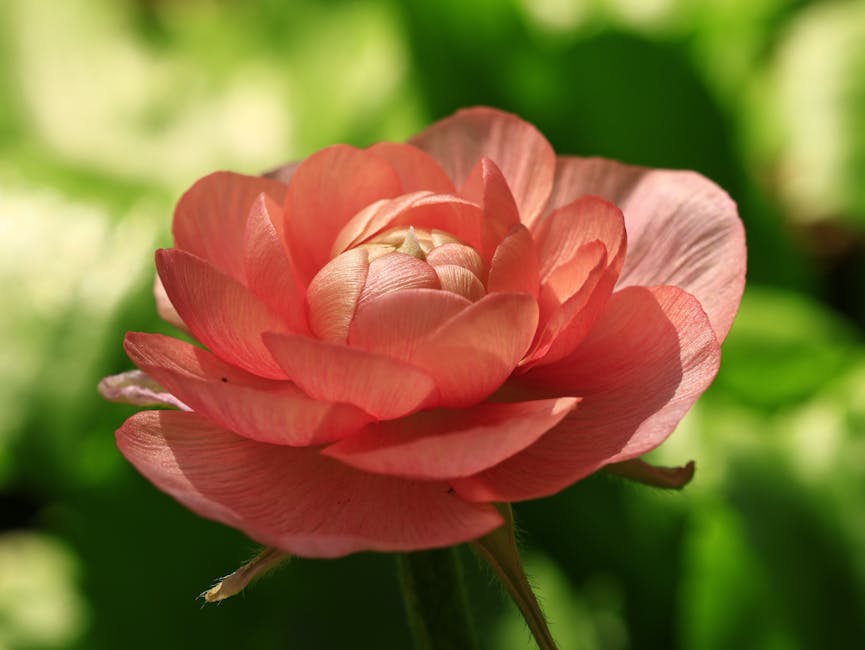
Ranunculus looks like a smaller, more whimsical cousin of the rose and the peony. The petals are tissue-paper thin and set in tight concentric circles, and the colour range runs from deep burgundy and scarlet through coral, peach, apricot and champagne to white and soft lavender. No other flower here gives you that palette in one stem type.
The meaning
"You are radiant with charms," per Greenaway. The garden ranunculus gets "You are rich in attractions." Both work for a wedding.
Where it shines
Mixed bouquets, boutonnières, low centrepieces, and anywhere you want delicate texture rather than volume. It lacks the presence of a peony and the structure of a calla lily. What it adds is softness.
Season
Spring through early summer, with some varieties into July. Late summer and fall stems come from importers.
Practical notes
- The layered petals photograph with depth, which suits a photographer who shoots close detail.
- Pair with garden roses, sweet peas and anemones for a romantic, layered bouquet.
- It holds up in moderate heat better than peonies or sweet peas, but still wants cool storage.
- The colour range lets you build a whole palette around it. Our 2026 colour palettes guide pairs well with this list.
- Typical cost: $3 to $7 CAD per stem, one of the better values here for the impact.
I think ranunculus is underused. A rose is the familiar choice, but ranunculus does most of what a rose does, with more texture and more colours, for less. Ask your florist to show you a few stems in person before you decide.
4. The Calla Lily
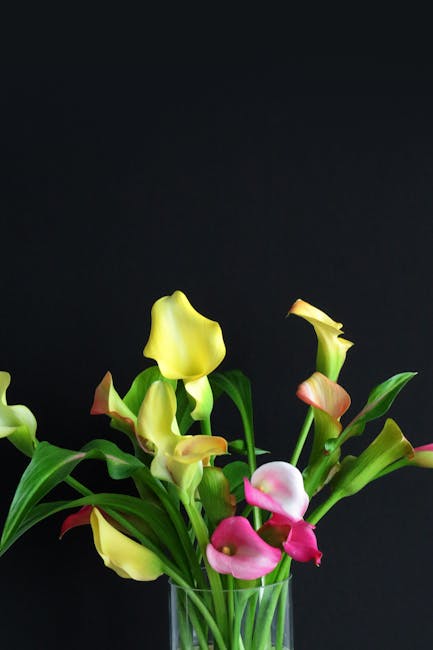
The calla lily gains power from restraint. One stem is a statement. A dozen held in an arm-cradle bouquet is architecture. It belongs at the wedding where the dress has no embellishment because the cut is the point.
The meaning
Greenaway lists Calla aethiopica as "Magnificent Beauty." Not prettiness: the kind of beauty that holds a room.
Where it shines
Arm-cradle bouquets (carried low across the forearm rather than held as a round posy), minimalist centrepieces and modern ceremony installations. It is the pick for couples who want florals that read as sculpture.
Season
Year-round in Canada through greenhouse growers and importers, so seasonal price swings are smaller than for peonies or sweet peas.
Practical notes
- Mini callas are a separate, smaller type, good for small arrangements and boutonnières.
- They are among the most heat-tolerant flowers on this list, which makes them a sound choice for an outdoor summer ceremony.
- White is the classic, but callas also come in deep purple, burgundy, pale blush and bright yellow.
- They suit minimal greenery, geometric vessels and clean linens. Ruffled flowers fight with them.
- Typical cost: $4 to $8 CAD per stem.
For 2026 I like one perfect calla per centrepiece vessel. High impact, very little fuss, and it leaves room on the table for candles.
5. The Hydrangea
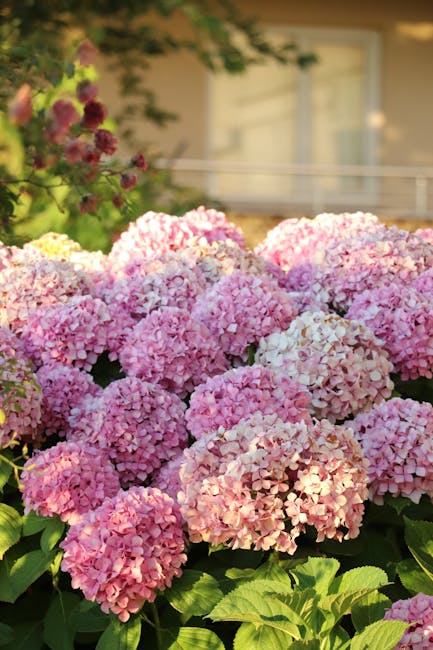
The hydrangea is the workhorse of wedding florals, and I mean that as praise. A single head is about the size of a grapefruit and can form the base of a whole centrepiece. Two or three heads, some greenery and a handful of accent stems make a full table arrangement that looks like it cost far more.
The meaning
The other rude one. Greenaway lists the hydrangea as "A boaster. Heartlessness." Nobody at your reception will know, and the flower is too useful to skip over a Victorian insult.
Where it shines
Centrepieces, floral arches, ceremony backdrops, and any arrangement that needs volume. It also works as a base in larger bridal bouquets, with other blooms nested into it. Our guide to dinner table flower arrangements shows how far a few heads can stretch.
Season
Late spring through fall in Canada, best from July through September. Winter stems are imported.
Practical notes
- Hydrangeas are very heat-sensitive and can wilt within hours in direct summer sun. Keep them for indoor receptions or shaded ceremony spots.
- Re-cut the stems and let the heads soak in cool water for a few hours before use.
- They drink a lot and need water right up to the moment they are placed.
- Colours run from white and cream through pale blue, lavender and blush to deep burgundy.
- Pair with garden roses, ranunculus and eucalyptus for a lush garden-party look.
- Typical cost: $5 to $12 CAD per stem. The best volume for the money on this list.
On garden hydrangeas, the soil changes the colour: acidic soil pushes some varieties blue, alkaline soil pushes them pink. If blue or purple matters to you, ask the florist to confirm the colour of the actual stems a few days before the wedding.
6. The Sweet Pea
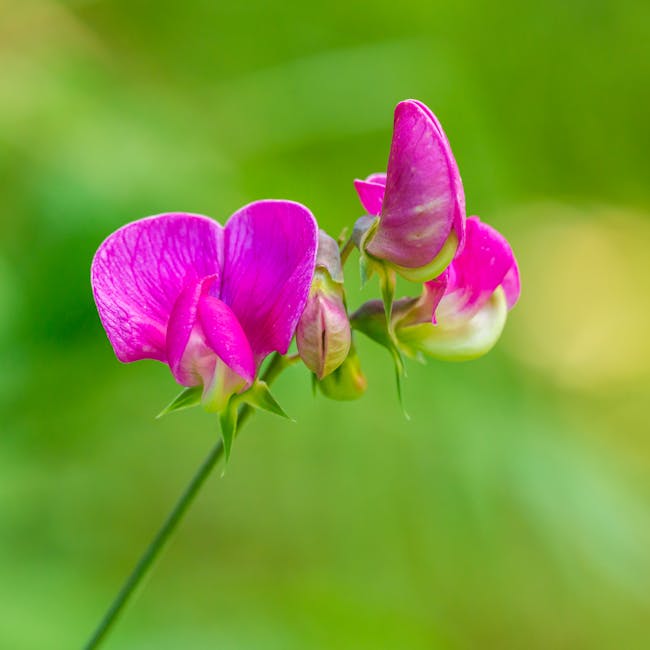
Sweet peas make a bouquet move. The ruffled blooms and curling tendrils catch every breath of air and give an arrangement a living quality that roses and callas cannot. Then there is the scent: a handful in a bouquet reads as early summer in a cottage garden, and nothing bottled comes close.
The meaning
"Departure," says Greenaway. Read it as leaving the old life for the new one and it suits a wedding better than it first sounds.
Where it shines
Loose, garden-style bouquets where the tendrils can trail. Boutonnières. Table runners where you want something delicate and fragrant rather than structural.
Season
A spring and early summer flower in Canada. Sweet peas do not like heat, in the field or on the table.
Practical notes
- They are fragile. Keep them in cool water until the last moment, and do not ask a florist to wire them into complex shapes.
- The fragrance is strong. Check whether anyone in the wedding party has scent sensitivities.
- Colours run from white and palest blush to magenta, coral, lavender and deep purple.
- Pair with garden roses, ranunculus and lily of the valley for a soft, romantic bouquet.
- Use them as a supporting flower, not the main one.
- Typical cost: $2 to $5 CAD per stem, one of the cheapest here, which makes them good for volume in a table runner.
Marrying in May or June? Add sweet peas.
7. Lily of the Valley
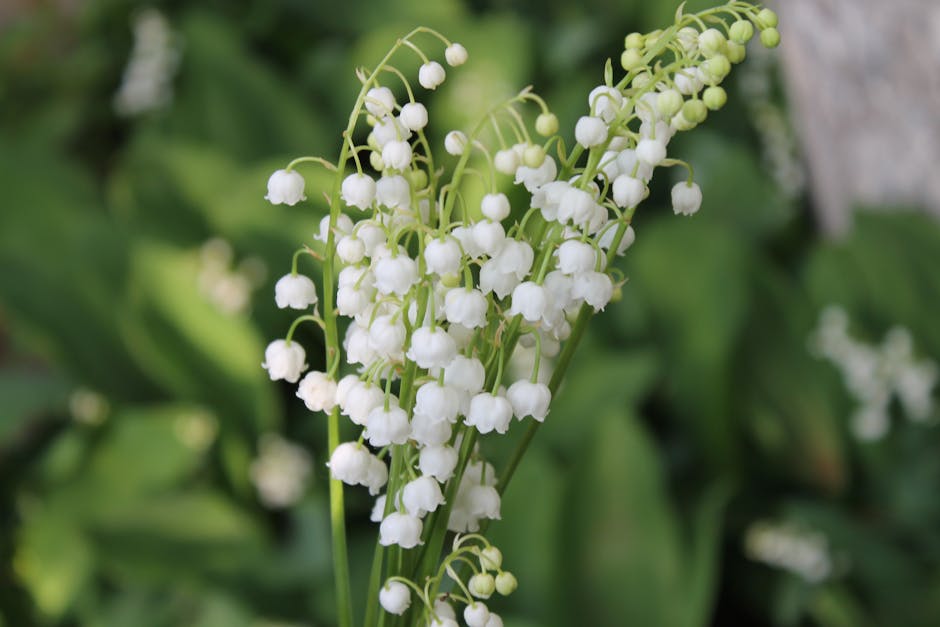
This is the old-money flower, and I say that with admiration. Grace Kelly carried a bouquet of lily of the valley at her 1956 wedding to Prince Rainier III. Catherine Middleton's 2011 bouquet, designed by Shane Connolly, was a shield of myrtle, lily of the valley, sweet William and hyacinth (Westminster Abbey). Each stem carries a row of tiny white bells and a clean, green, slightly sweet scent.
The meaning
"Return of happiness," in Greenaway's dictionary, and the reason it keeps turning up in royal bouquets.
Where it shines
Small, classic bridal bouquets where every stem is visible and the simplicity is the point. It also adds refinement woven sparingly through a larger garden bouquet. You do not need a bouquet made only of lily of the valley to get the effect.
Season
Spring only, and briefly: roughly late April through May. Outside that window, imported stems are expensive and fragile.
Practical notes
- The stems are tiny, so a full bouquet takes dozens of them. That is what drives the price.
- All parts of the plant are poisonous if eaten (NC State Extension). Not a worry in a bouquet, but keep loose stems away from small children and pets.
- They wilt in heat. Keep them cool and in water until the last moment.
- Pair with garden roses, sweet peas and stephanotis, or let them stand alone.
- Typical cost: $4 to $9 CAD per stem, which puts an all-lily-of-the-valley bouquet at several hundred dollars in flowers alone.
If the budget and the date both allow it, lily of the valley is worth it. If they do not, a few stems in a garden-rose bouquet carry most of the look for a fraction of the price. That is exactly the kind of trade-off to raise in a consultation.
8. Amaranthus
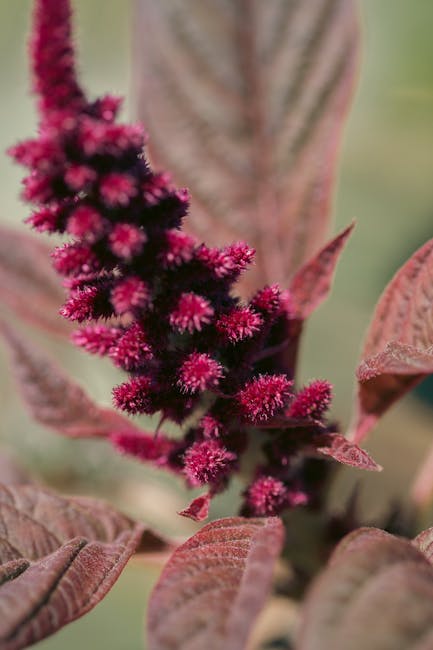
Amaranthus looks like nothing else in wedding florals: long, velvety tassels that drape and cascade. Think of a bouquet with the main flowers at the top and burgundy tassels falling toward the hem of the dress.
The meaning
The name comes from the Greek amarantos, "unfading, undecaying" (Online Etymology Dictionary). Greenaway gives the globe amaranth "Immortality. Unfading love." The cascading red type most florists use has a sadder Victorian name, love-lies-bleeding, and a sadder meaning: "Hopeless, not heartless." Go by the Greek.
Where it shines
Cascading bridal bouquets, ceiling installations, large ceremony arches, and tall centrepiece vases where stems can spill over the edge.
Season
Late summer through fall, which makes it a strong choice for autumn weddings once peonies and sweet peas are long gone.
Practical notes
- The two types most used at weddings are Amaranthus caudatus (love-lies-bleeding, the deep red cascade) and a lighter, more textural green amaranthus.
- It dries well, so leftover stems can become a keepsake.
- For a rich autumn palette, pair with garden roses and deep burgundy dahlias. For something lighter, use white ranunculus and pale greenery.
- It is fairly heat-tolerant.
- The cascading type can trail 30 to 60 cm from a bouquet. Agree the length with your florist.
- Typical cost: $3 to $8 CAD per stem, reasonable for ceiling work that needs volume.
My favourite autumn combination for 2026: a burgundy amaranthus cascade with blush garden roses and copper foliage.
Seasonal Flower Cheat Sheet
Not every flower is available when you need it. Plan around this:
Spring (April to June) In season: peonies, ranunculus, sweet peas, lily of the valley, tulips, anemones, lilac. Best for: soft romantic palettes, garden-style bouquets, pastels.
Summer (July to September) In season: garden roses, hydrangeas, dahlias, sunflowers, lisianthus, zinnias. Best for: full arrangements, outdoor ceremonies, bold or warm palettes. Keep sweet peas, peonies and lily of the valley away from outdoor July and August ceremonies.
Fall (September to November) In season: amaranthus, dahlias, marigolds, chrysanthemums, late roses. Best for: moody palettes, burgundy and copper, cascading arrangements. Substitutes: double tulips for peonies, lisianthus for ranunculus.
Winter (December to March) Available through importers: calla lilies, roses, orchids, protea, anemones. Best for: clean modern palettes, white and ivory, architectural minimalism. Import costs are highest in winter, so budget for it.
Related reading:
- 6 bouquet styles for 2026, for how these flowers get shaped into a bouquet.
- Flower arrangements for the dinner table, from low centrepieces to candelabras.
- How to build a realistic wedding budget, because florals are one line among many.
- Questions to ask your wedding vendors, including the ones for your florist.
Pick the flowers for your date first and your wish list second. The season decides the price more than any other choice you make.
If you want help matching flowers to your date, venue and budget, see what our planning packages include or book a consultation.